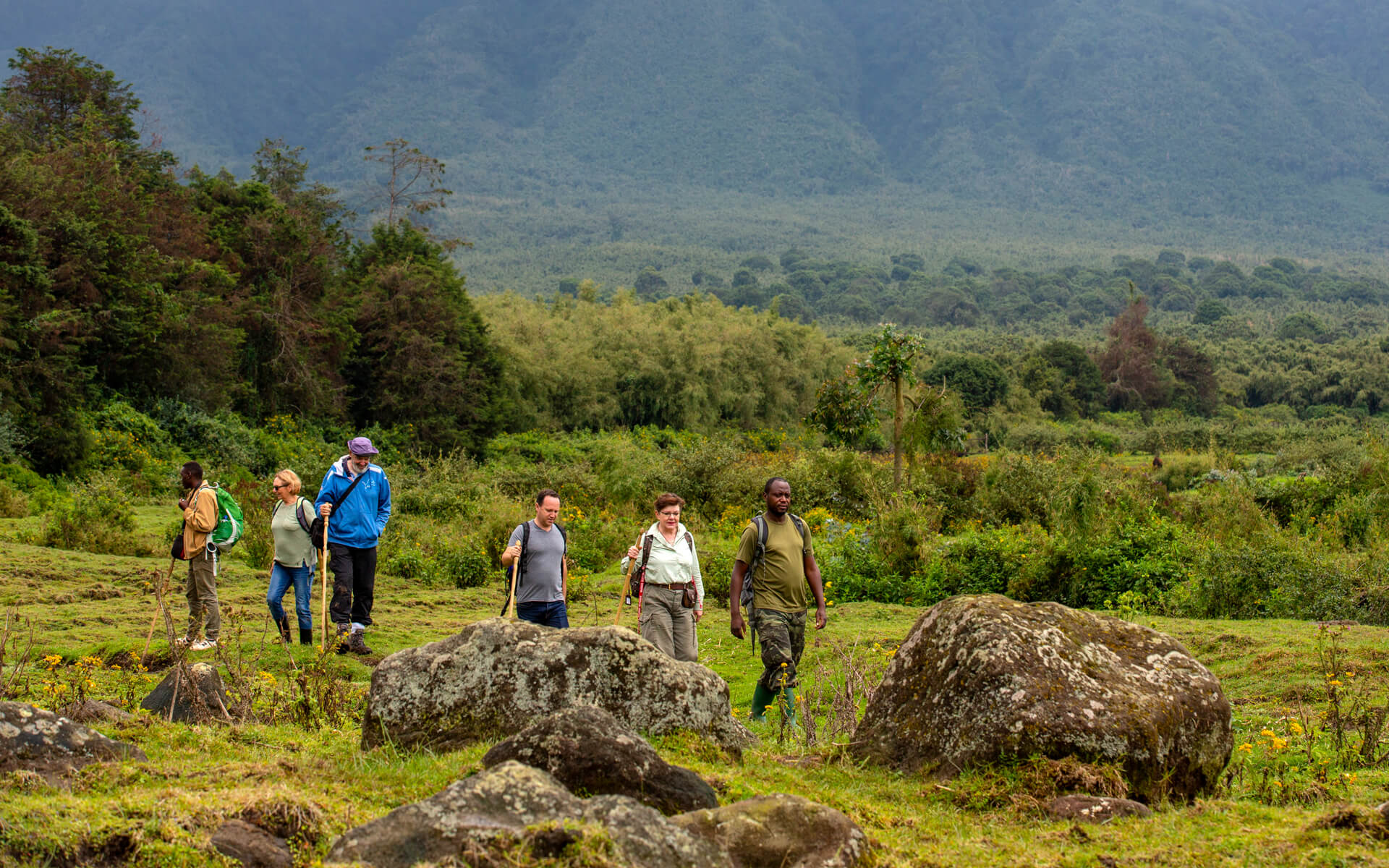
Rwanda, the Land of a Thousand Hills, is stepping into 2026 as one of Africa’s most compelling destinations. Visitors are no longer satisfied with ticking off famous sights. They want journeys that feel personal, restorative, and purposeful. As a guide who has walked Rwanda’s forests, crossed its savannahs, and welcomed travelers from every corner of the world, I see this shift every day. Travelers are asking for experiences that speak to their hearts, not just their cameras. Rwanda, with its compact size and rich diversity, is ready to meet them.
Seamless Journeys Without Stress
One of the greatest luxuries in travel today is freedom from decision‑making. Guests often arrive overwhelmed by choices, unsure how to balance gorilla trekking, cultural immersion, and relaxation. My role is to carry the details so they can carry the joy. Whether it is arranging permits, timing a canopy walk, or choosing the right lodge, I make sure the journey unfolds effortlessly.
I tell my guests, “Let me handle the logistics. You focus on the moments.” When travelers are freed from constant planning, they can truly connect with Rwanda’s landscapes and people. In 2026, seamless journeys will be the hallmark of meaningful travel.
Tailored Adventures for Every Traveler
No two groups are alike. Families may want gentle activities, adventurers crave treks, and cultural travelers seek authentic encounters. In 2026, personalization will go deeper than ever. I listen carefully to what excites each traveler, then shape the journey so it feels like their own story.
One day might be a gorilla trek in Volcanoes National Park, another a cooking class in Kigali, another a quiet sunset by Lake Kivu. Rwanda’s compact geography makes this layering possible. Guests leave feeling their trip was designed uniquely for them, not copied from a brochure.
I often remind travelers, “Your journey should reflect who you are. Rwanda has many faces, and together we will find the one that speaks to you.”
Hidden Corners for True Intimacy
Crowds are no longer appealing. Travelers want intimacy and authenticity, and Rwanda’s lesser‑known regions are gaining attention. Nyungwe Forest offers silence broken only by birdsong, while Akagera’s savannah provides vast horizons and starlit nights.
I guide visitors to these places because they allow people to breathe, reflect, and feel the land without distraction. In Nyungwe, walking above the canopy bridge feels like stepping into another world. In Akagera, sitting by the fire under a sky full of stars reminds guests of the vastness of life.
“These hidden corners,” I tell them, “are where you find not just Rwanda but yourself. They are places where intimacy thrives, whether you travel alone, with family, or with friends.”
Living Rwanda Through Taste and Tradition
Travelers increasingly want to taste, learn, and share. In Rwanda, food and culture are inseparable from daily life. I often take guests to coffee plantations, village kitchens, or dance performances. When they cook isombe with local families or join in traditional drumming, they discover that culture is not something to watch but something to live.
I believe food is central to connection. “When you cook together, you laugh, you taste, you share,” I tell my guests. “It is not just about the meal, it is about the bond.” In 2026, these immersive experiences will be central to travel, because they create memories that go beyond landscapes.
Travel That Gives Back
Tourism must give back. Rwanda has shown the world how conservation and community can thrive together. Gorilla trekking permits fund habitat protection, lodges invest in schools, and visitors contribute directly to local livelihoods.
I explain this to every group I guide: “Your journey is not only about what you see, but about what you sustain.” When travelers realize their presence helps protect gorillas or supports village projects, their trip becomes more than leisure. It becomes a legacy.
In 2026, travelers will expect their journeys to leave a positive footprint. Rwanda is ready to deliver, with conservation woven into every experience.
Rwanda’s Rising Destinations
Volcanoes National Park will remain the centerpiece, but travelers are asking for more. Lake Kivu’s sunsets, Nyungwe’s canopy walks, and Akagera’s wildlife drives are becoming essential stops. Kigali itself is rising as a cultural hub, with art galleries and fine dining that surprise visitors.
I see this shift every season. Guests arrive for gorillas but leave talking about the warmth of Kigali’s markets or the serenity of Lake Kivu. “Rwanda is more than one park,” I remind them. “It is a country of many stories, and each story can become part of your own.”
Planning for 2026
For those considering Rwanda in 2026, timing is key. The best months are June to September and December to February, when dry weather makes trekking and travel comfortable. Gorilla permits should be booked well in advance, as they are limited and highly sought after.
Luxury lodges are plentiful, but boutique options also provide intimacy. Travelers should decide whether they prefer indulgence or authenticity, knowing that both are available. Rwanda’s compact geography makes it easy to combine Volcanoes, Nyungwe, Lake Kivu, and Akagera in one trip, with Kigali as a stylish beginning or ending point.