Hello, I’m Emile Mutabazi. Having grown up in Kinigi, right at the foot of Volcanoes National Park, my life has always been intertwined with this incredible place. For the past 10 years, I’ve had the privilege of guiding people through these misty, volcanic slopes, and I can tell you there is nothing quite like meeting a mountain gorilla in its natural habitat. This guide will walk you through what to expect, from booking your permit to the trek itself, ensuring your adventure is seamless and unforgettable.
Why Rwanda is a Top Gorilla Trekking Destination
Rwanda stands out for its convenience, conservation efforts, and the quality of the trekking experience. The drive from Kigali International Airport to Volcanoes National Park is only about 2.5 hours, making it possible to do a trek on the same day as your arrival. Compared to Uganda, which requires an 8-hour drive from its main airport, Rwanda offers unparalleled accessibility.
The country’s commitment to conservation is immense. The gorilla permit fee, currently $1,500, directly funds critical conservation efforts and provides employment for the local communities. This investment helps ensure the preservation of the mountain gorilla population, which is steadily increasing.
The trekking experience itself is highly regulated to be as intimate as possible. Each gorilla group is limited to a maximum of eight visitors per day. This ensures minimal impact on the gorillas and creates a personal, un-crowded encounter for you.
What to Expect on the Day
The day of your gorilla trek is a mix of excitement and anticipation. Here’s a typical timeline of what your day will look like with me.
The Briefing at Kinigi Headquarters: We’ll start our day with an early morning drive to the park headquarters in Kinigi. At around 7:00 a.m., a park ranger will conduct a briefing, where you’ll learn about gorilla behavior, safety rules, and the general expectations for the trek. A cup of coffee or tea is often served, and you may be entertained by traditional dancers before you begin.
Group Assignment and The Trek: After the briefing, we’ll be assigned to one of the habituated gorilla families. Group assignments are often based on your fitness level, with less strenuous treks assigned to those who need it. Each group is led by a main guide and two armed scouts. The trek can last anywhere from 30 minutes to several hours, depending on where the gorillas are located. The terrain can be steep, muddy, and challenging, but the stunning forest scenery makes the journey a highlight in itself.
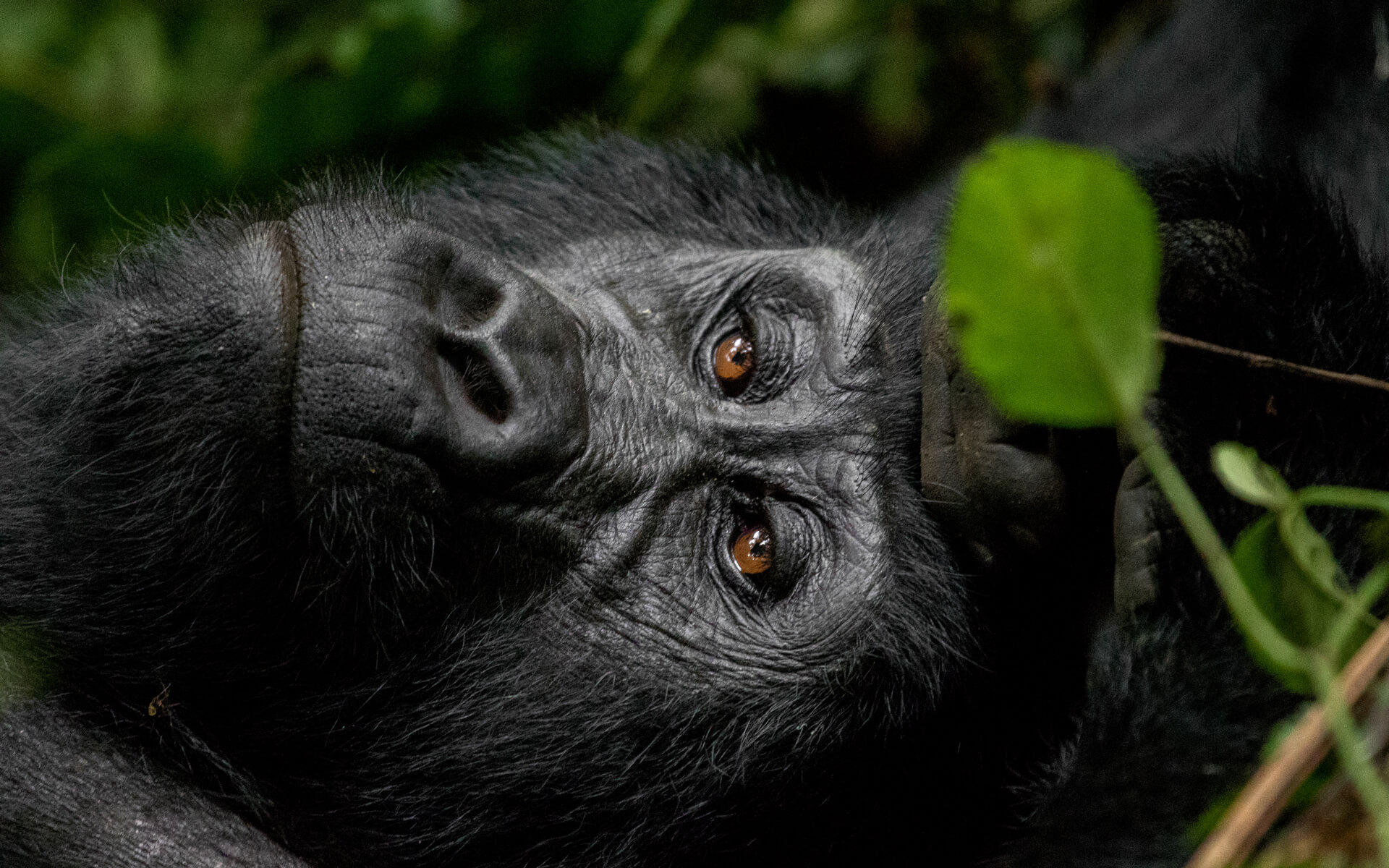
The Unforgettable Hour: Once we locate the gorilla family, the magic begins. You’ll spend a precious hour observing them as they feed, play, groom, and interact with each other. The hour is strictly regulated to minimize any stress on the animals. My goal is to make you feel like you’re an invited guest in their home, not just a spectator. You are required to maintain a distance of at least 7 meters from the gorillas, but it is not uncommon for them to come closer. The sense of connection is profound, and the experience is often described as transformative.
Essential Tips and What to Pack
The key to a great gorilla trekking experience is being prepared.
What to Wear: The forest is wet and can be cold. Pack long-sleeved shirts and trousers to protect yourself from scratches and stinging nettles. A lightweight, waterproof rain jacket is essential, as the weather is unpredictable. Sturdy, waterproof hiking boots are a must, along with a pair of gaiters or socks pulled over your trousers to keep out sand and ants.
What to Bring: A small backpack is great for carrying essentials like water and snacks. You should also bring a camera with a mid-zoom lens (24-70mm is a good option) as long lenses can be heavy and unnecessary due to the proximity of the gorillas. Remember to turn off your camera flash, as it’s not allowed.
Optional but Recommended: Hiring a porter is a great idea. Not only do they assist you with your backpack on steep inclines, but it also provides sustainable employment for the local community.
Booking Your Permit
Securing your gorilla permit is the most important step. Rwanda’s gorilla permits cost $1,500 per person. With only 96 permits issued daily, it’s essential to book well in advance, especially for the dry seasons. I can assist with this process, ensuring you secure your permit without the stress.
Best Time to Go
While you can go gorilla trekking year-round, the dry seasons offer the best trekking conditions.
Dry Seasons (Best Time): From June to September and December to February. The trails are drier and less slippery, and the vegetation is thinner, which improves visibility for photography.
Wet Seasons (Low Season): From March to May and September to November. The treks can be more challenging with muddy conditions, but the scenery is lush and there are fewer tourists. The gorillas also tend to stay at lower elevations during these months, which can make for a shorter trek.